Pumping, inspection, repair, and full system replacement across Rock Hill and York County. Written pricing before the work starts.
Call (555) 555-5555Or call — we answer. No obligation, honest advice.
Septic work in York County comes down to the ground you are sitting on. The clay-heavy soil across most of Rock Hill drains slowly, which changes how a drain field behaves, how often a tank realistically needs pumping, and what kind of system a lot can support in the first place. Out toward Lake Wylie the water table sits high enough to matter, and in the older neighborhoods closer to downtown we still find tanks nobody has opened in a decade. None of that is unusual. It just means the generic advice you find online does not map cleanly onto this county.
That is the whole idea behind this service. Locate the system, look at it honestly, explain what it is actually doing, and give you a number in writing before anyone starts working. Septic problems are unusual among home repairs in that waiting almost always costs more. A tank pumped on schedule is a routine, predictable expense. A tank ignored long enough to push solids into the drain field turns into a field replacement, and that is a different order of money entirely.
Whether you have owned the house for twenty years and know exactly where the lids are, or you just closed and have no idea whether the system was ever serviced, the starting point is the same: find it, open it, measure it, and tell you the truth about what you are looking at.
Most septic work is excavation. Locating a tank, opening a lid, exposing a line, or replacing a field all start with breaking ground, and how that gets done decides what your yard looks like afterward.
Lids get seated properly, ground gets raked back, and we do not cut ruts across a lawn to save ourselves a walk.
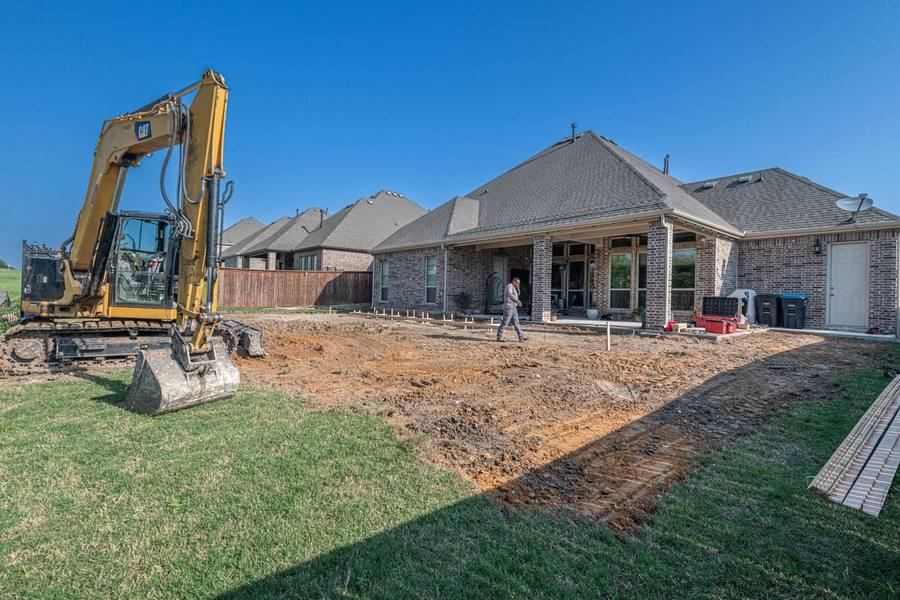
Four services cover almost everything a residential system in York County needs.
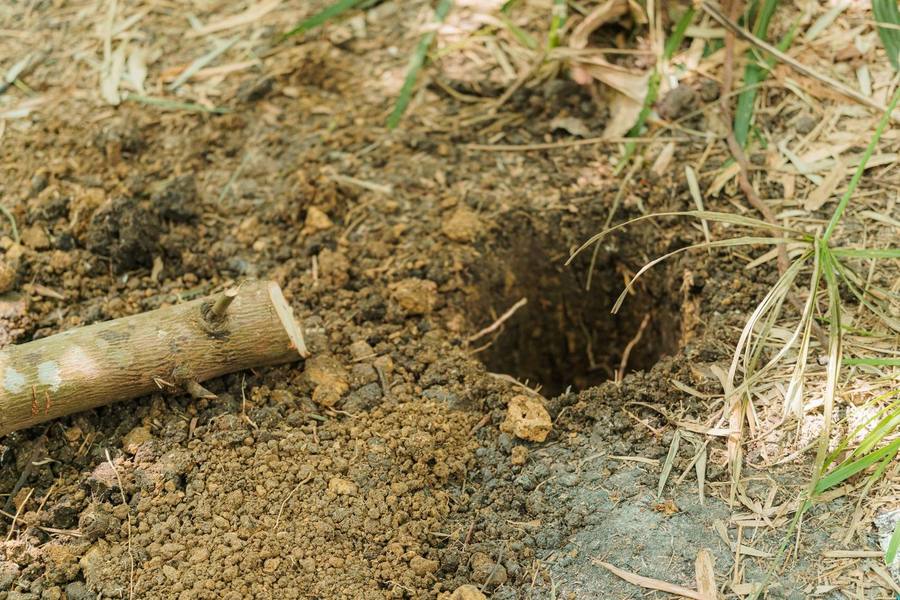
We locate the tank, uncover the lid, pump both compartments, and check the baffles while it is open. You get told what the sludge level actually was and when to come back.
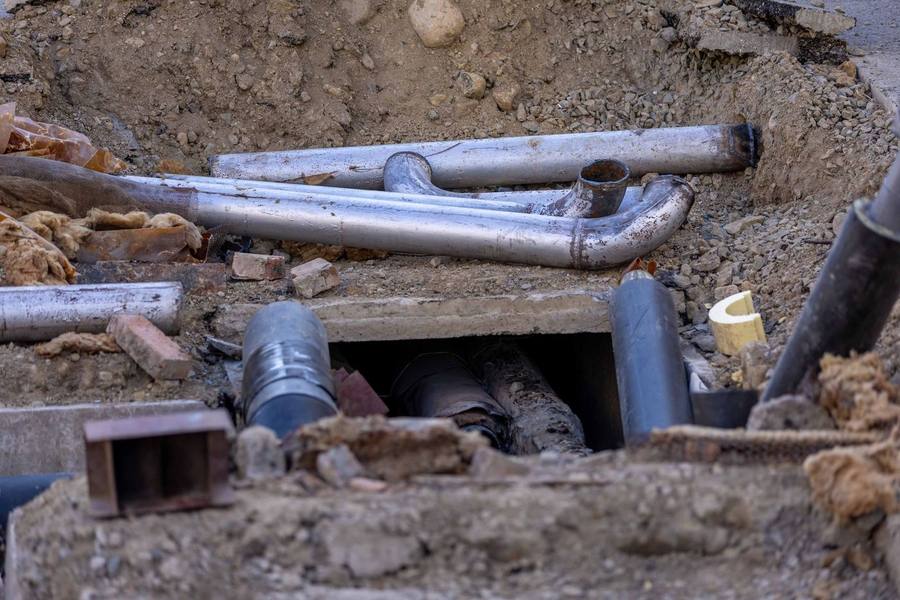
Buying, selling, or just want to know what you have. Levels, baffles, flow testing, and a drain field probe, with a written report the same day or the next.
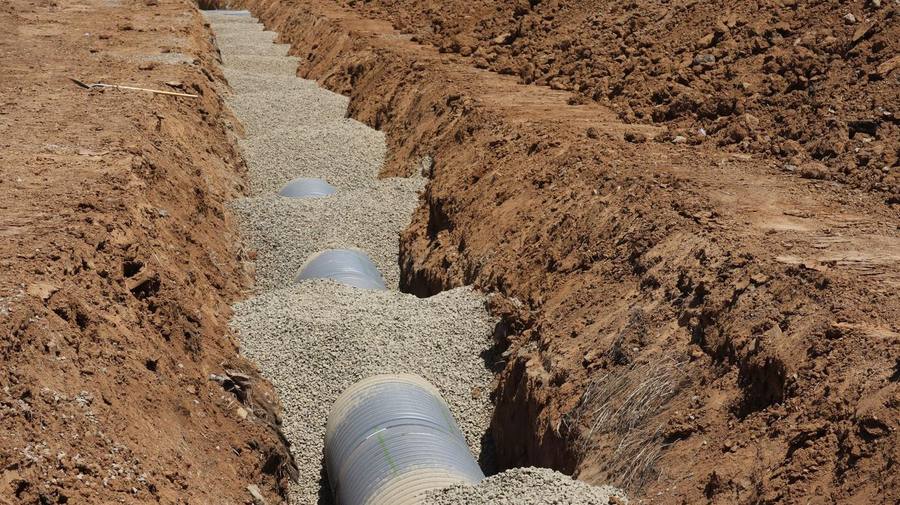
New systems, failed drain fields, broken lines, and collapsed baffles. Soil evaluation and SCDHEC permitting handled as part of the job.
Piedmont clay does not move water the way sandy coastal soil does. A drain field that would handle a four-bedroom house near the coast can struggle with the same load here, because the effluent simply cannot percolate as fast. That is why South Carolina requires a soil evaluation before a permit is issued, and why two houses on the same street can end up with different system designs.
It also affects timing. A household in Rock Hill running a garbage disposal, with a tank on the small side, may need pumping closer to every three years. A smaller household with a properly sized tank can often go five. Anyone quoting you a single universal interval without opening the tank is guessing.
The lake-adjacent lots add a second variable. A high water table reduces the vertical separation available beneath a drain field, which limits what can be installed and makes an existing field more sensitive to heavy rain. If your yard stays soggy in one particular spot after a storm, that is worth looking at before it becomes a replacement.

Very few systems fail without a long run-up. The call that sounds like an emergency is usually years of missed pumping arriving together. A tank earns its keep by trapping solids and releasing only clear liquid; once solids outgrow the space, they ride out into the trenches, and nothing poured down a drain undoes that.
From which follows the rule worth keeping: pumping is a small recurring cost, the drain field is a large one-time one. Every pump-out is really money spent defending the trenches, and in York County's clay a replacement field is a substantial excavation rather than a quick swap.
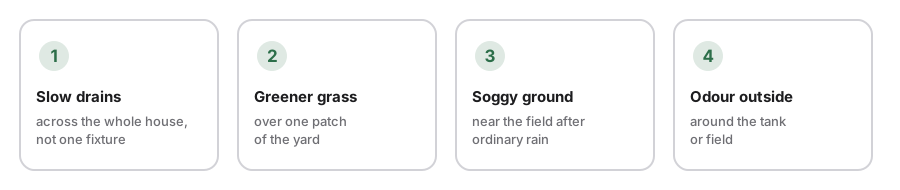
The warning signs are usually there well before failure. Drains that gurgle or slow down across the whole house rather than in one fixture. Grass that grows noticeably greener or faster over one section of the yard. Standing water or a soft spot near the field after ordinary rain. A smell outside near the tank or field. Any of those is worth a look, and looking is far cheaper than the alternative.
Ordinary habits take years off a system without anyone noticing. Wipes flush easily and then never break down. Bleach and drain cleaner used heavily kill the bacteria the tank depends on. Vehicles on the field compact clay and crush lines. And gutters or drains discharging toward the trenches deliver clean water the field was never sized to absorb.
None of these mean disaster on their own. All of them are cheaper to look at than to ignore.
Every job runs the same way, whether it is a routine pump-out or a full system replacement. Here is the standard you can hold us to.
You get the number before work starts, not after it is finished. If we open the lid and find something else going on, we stop, show you, and quote it separately. No surprise line items at the end.
You get a real window, and a call if anything shifts. Your whole day should not disappear waiting on a septic truck that may or may not show up.
Lids seated properly, ground raked back, no ruts cut across your yard. The only evidence we were there should be a system that works the way it is supposed to.
Rock Hill is the base, and the service area covers most of York County plus the communities along the lake and the North Carolina line. Much of this area is on septic rather than sewer, particularly outside the city limits, and the systems vary widely in age and design.
Travel time is part of the quote on the outer edges of the county, and we will tell you that on the phone rather than adding it to the invoice afterward. If you are just outside the list below, it is still worth calling. Most of York County is reachable, and the answer on whether we cover an address takes about ten seconds.

We cover Rock Hill and most of York County. This map shows the area we work, not a storefront - septic work happens at your property.
A septic inspection is one of the few contingencies that can genuinely derail a closing, and it is also one of the most commonly skipped. A standard home inspection does not include the septic system. Unless someone specifically orders a septic inspection, a buyer can close on a house with a drain field at the end of its life and have no idea until the first heavy rain.
For buyers, the inspection should happen early enough in the option period that there is time to negotiate. What gets checked matters as much as whether it happens: locating the tank, opening it rather than looking at the ground above it, measuring sludge and scum levels, checking that baffles are intact, running water through the system to confirm flow, and probing the drain field for saturation. An inspection that skips the drain field is checking the cheap half of the system and ignoring the expensive half.
For sellers, having the tank pumped and inspected before listing removes a common late-stage surprise. A written report in hand changes the conversation from an unknown risk the buyer's agent can push against into a documented, recently serviced system. It also gives you the chance to fix something small on your own timeline rather than under closing pressure at whatever price you can get on short notice.
Lenders occasionally ask for documentation as well, particularly on rural properties and certain loan types. A same-day or next-day written report generally satisfies that request without holding up the file. If a closing date is already set, say so when you call, because the scheduling works differently when there is a deadline attached.
A septic system that gets attention stays boring, and boring is exactly what you want from one. Whether it is a routine pump-out, an inspection before a closing, or a full replacement, call (555) 555-5555 and we will tell you what your system actually needs, including when the honest answer is nothing yet.
Save the number before you need it. Septic problems only get more expensive the longer they wait, and the calls that go worst are almost always the ones that started as something small a year earlier.
Tell us what you need and we'll get back to you with a real answer. If it's an active backup or standing water over the field, calling gets you a faster response.
Call: (555) 555-5555
Area: Rock Hill, SC and York County